Uncategorized
-
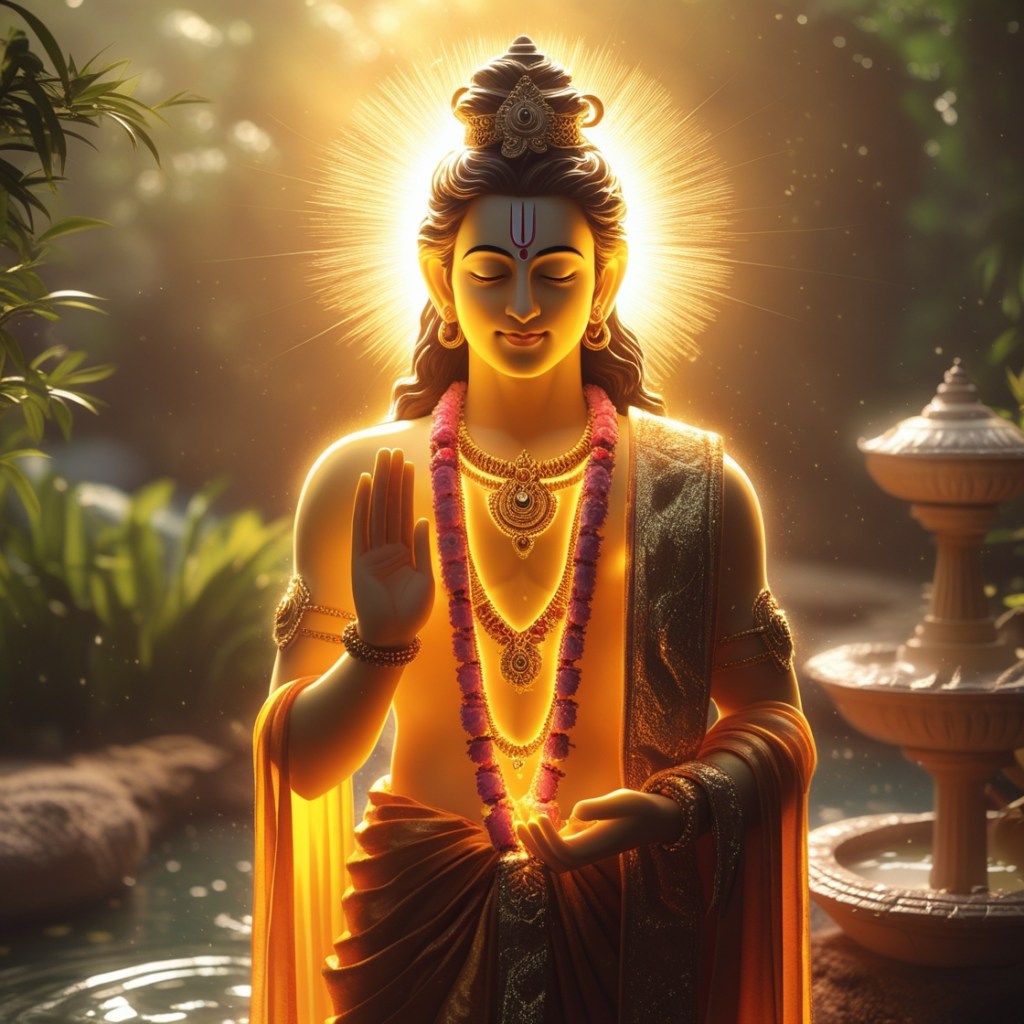
The phrase “Aham Brahmāsmi”—अहं ब्रह्मास्मि—comes from the Bṛhadāranyaka Upaniṣad (1.4.10). It is a very important statement from our Vedic thoughts. Although it became popular again because of the show Sacred Games, the way it was used there is far from its original meaning. The grandeur and the worldly implication that was attached to this mantra…
-
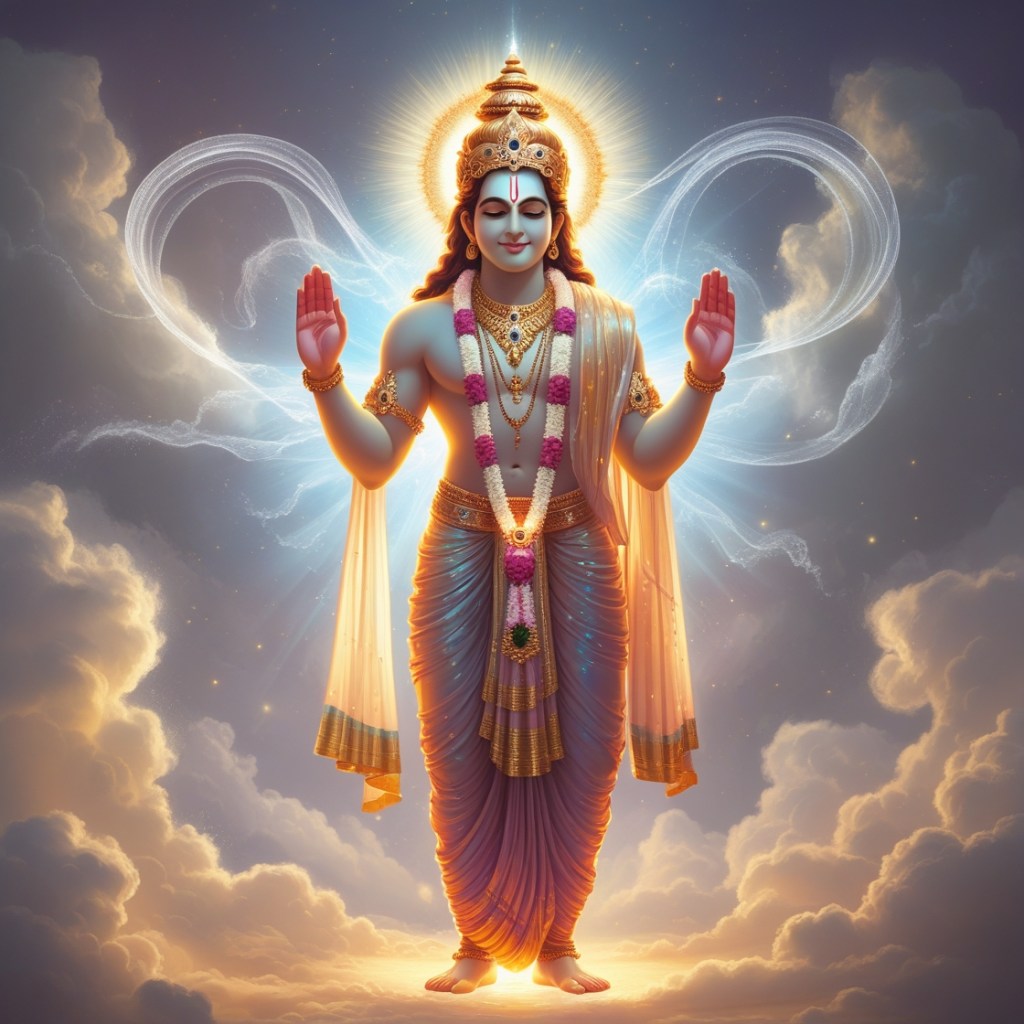
In the pages of the Brahmanda Purana, a powerful episode unfolds — one that reminds us that protection is not merely physical but deeply spiritual. Here, the text introduces the Trailokya Vijaya Kavacham — a “shield of victory over the three worlds.” What makes this kavacham unique is not just its poetic beauty but the…
-

Renuka’s Grief and Rama’s Vow When Kartavirya’s men assaulted the hermitage, the unthinkable happened—Rishi Jamadagni was struck down. His wife Renuka, heartbroken, wailed in despair, wounding herself in anguish. Her cries echoed across the forest until her son Rama (later Parashurama) returned and saw the blood-stained ground. In grief and fury, he swore a vow:…
-

The Visit of Kartavirya Arjuna After a day of hunting in the forest with a large army, King Kartavirya Arjuna arrived at the hermitage of Rishi Jamadagni, father of Bhagwan Parashurama. The sage, upholding the ancient tradition of Atithi Devo Bhava (the guest is like God), offered hospitality. But the king, in pride, politely declined,…
-
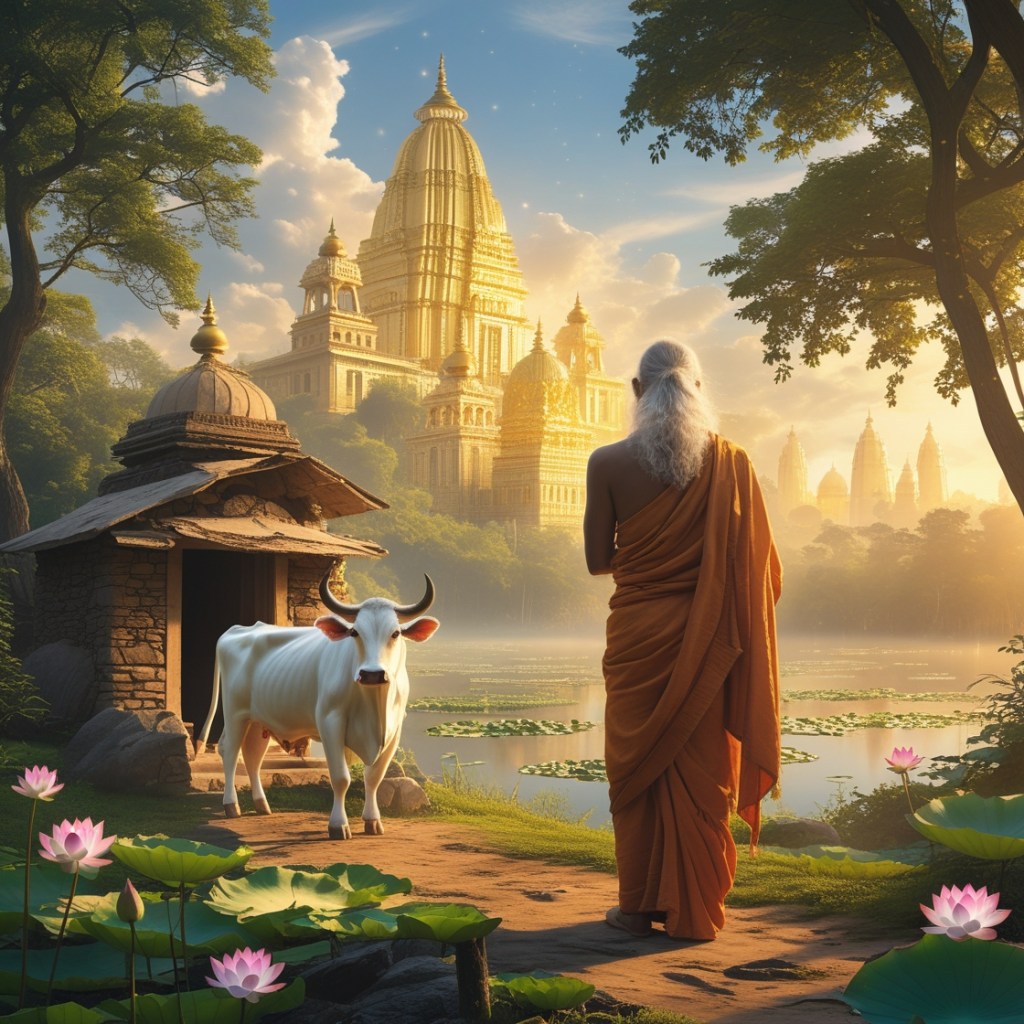
After a long day of hunting deep in the forest, King Kartavirya Arjuna, accompanied by his vast army, came upon the quiet hermitage of Rishi Jamadagni, father of the warrior-sage Parashurama. The king, accustomed to the wealth of palaces and the scale of armies, was offered hospitality by the sage. He politely declined — not…
-
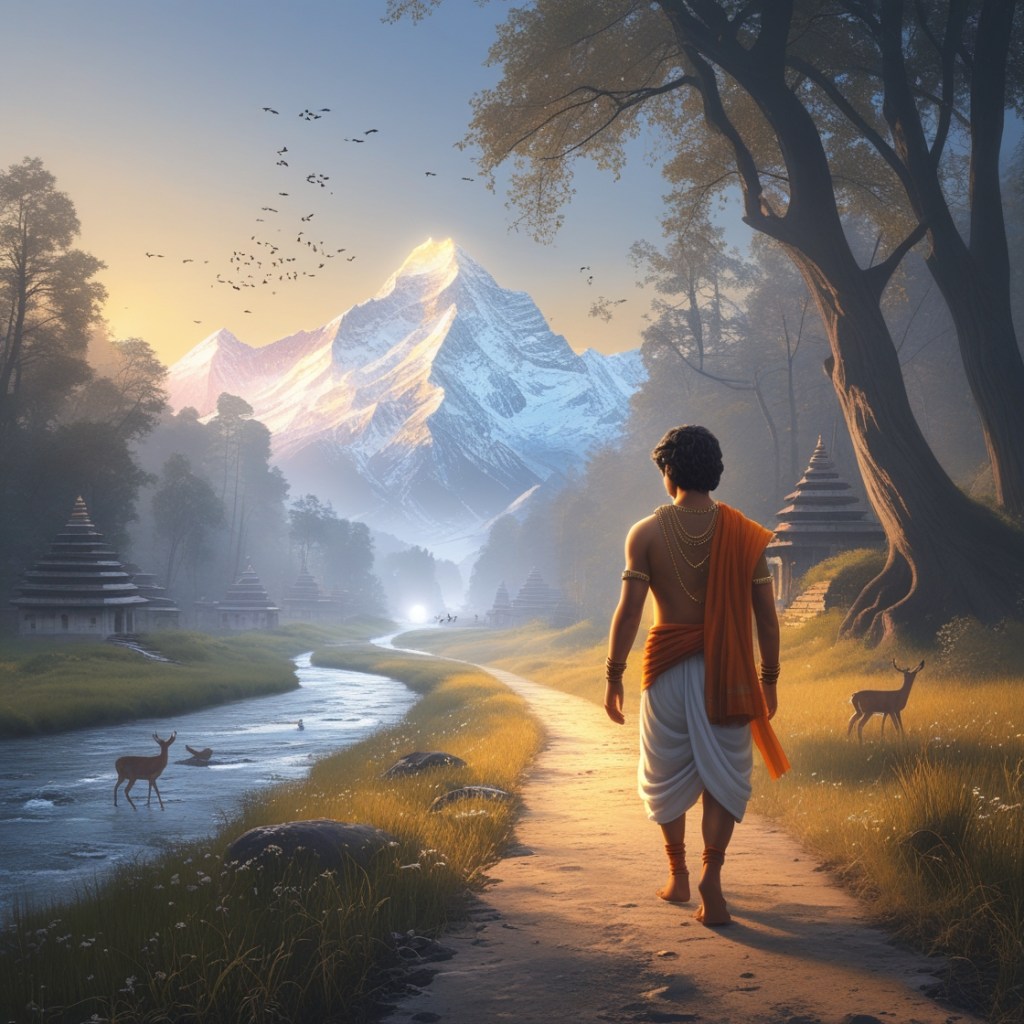
With his parents’ blessings, Bhagwan Parashurama set out from his home, not on a whim, but with purpose. His path first took him to the home of his elders, where he paid respects and listened to their counsel. Eventually, he arrived at the hermitage of the great Sage Bhrigu, the revered progenitor of his lineage.…
-
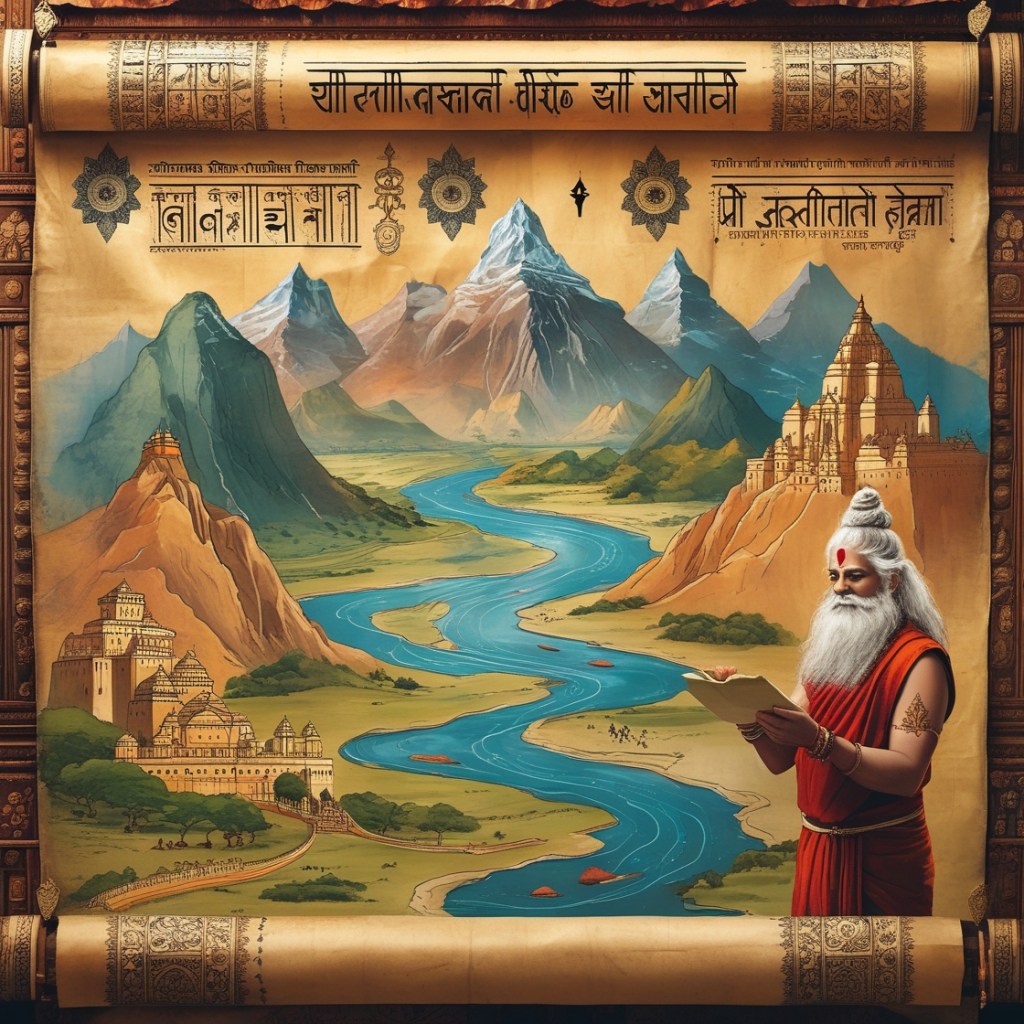
Sacred Rivers – The Lifelines of Ancient India The Purana describes a vast network of rivers radiating in all directions from the Himalayas and other mountain ranges. Mountains – The Sacred Spines of the Subcontinent Kingdoms and Janapadas – The Cultural Landscape The Purana lists ancient kingdoms that align with today’s states and territories. Civilizational…
-

Introduction The Brahmanda Purana doesn’t describe the world the way we do. There are no continents as we know them, no national borders, and no familiar landmarks. Instead, we find vast lands like Jambu-dvipa, layered oceans, and mountain ranges taller than imagination. Each part of this world is filled with divine trees, radiant beings, and…
-
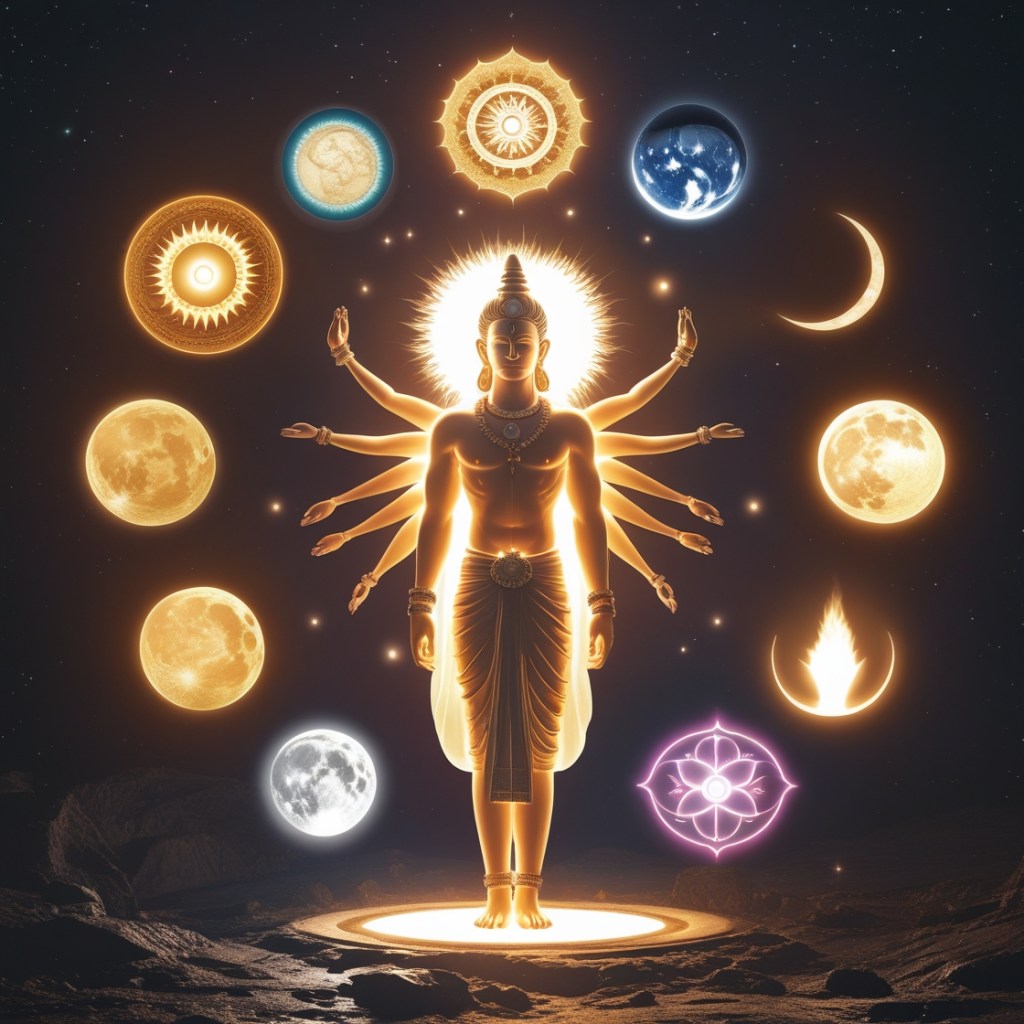
Introduction: When Divinity Cries In the great unfolding described in the Brahmanda Purana, creation doesn’t just occur—it emerges through dialogue, emotion, and elemental association. In a remarkable narrative sequence, Brahma bestows eight names to a crying divine child named Nilalohita, each name corresponding to a distinct body and elemental association. This divine child, in his…
-

As I continued reading through the Brahmanda Purana, something profound stood out: Not all dissolutions are violent. Some happen in perfect stillness. One passage describes it beautifully: “When the Kalpa was over… Kala was asleep.” “Maharishis remained for thousands of their nights… in sattva, waiting.” This is not destruction in the usual sense. It is…
 nakul sardesai