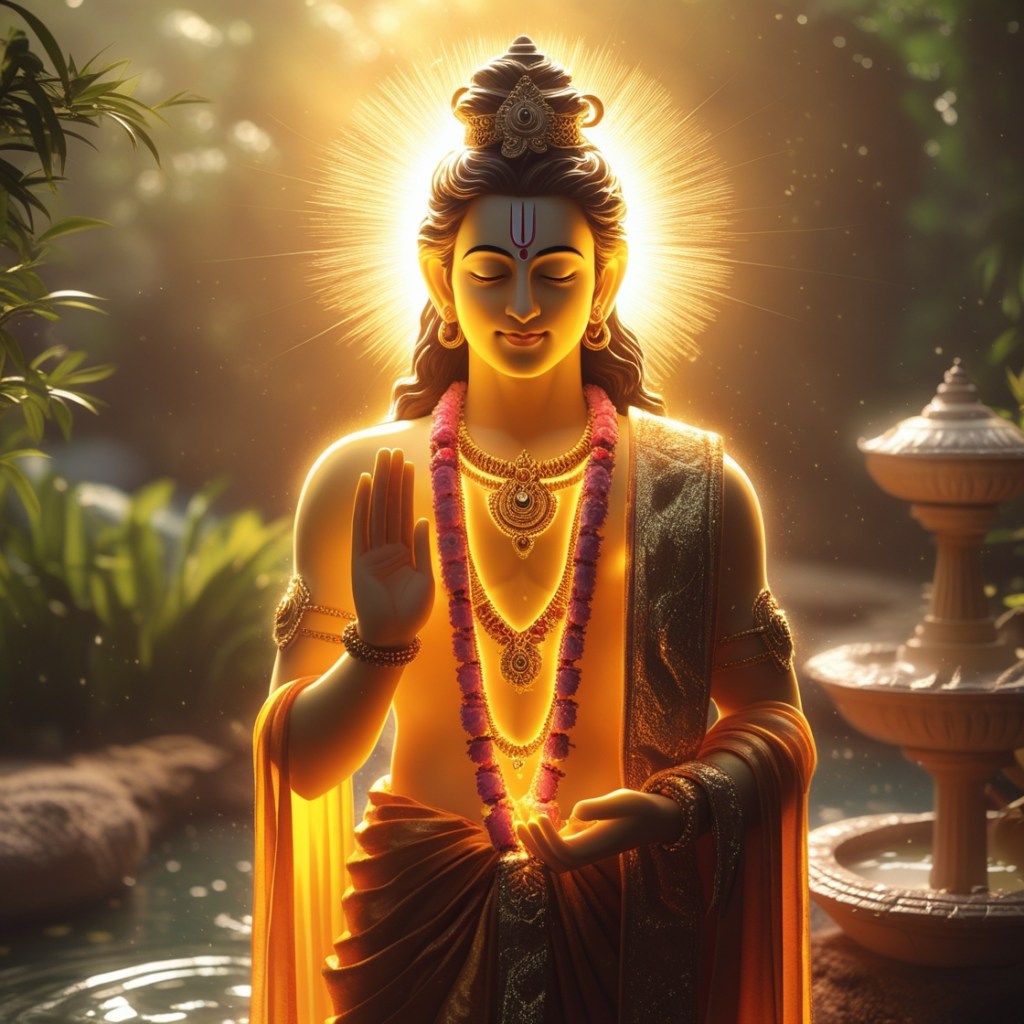
The phrase “Aham Brahmāsmi”—अहं ब्रह्मास्मि—comes from the Bṛhadāranyaka Upaniṣad (1.4.10). It is a very important statement from our Vedic thoughts. Although it became popular again because of the show Sacred Games, the way it was used there is far from its original meaning. The grandeur and the worldly implication that was attached to this mantra is not what it is about at all. In this blog I try to offer a clear and easy explanation of what the Upaniṣads actually say.
1. The Original Mantra
अहं ब्रह्मास्मि ।
aham brahmāsmi
“I am Brahman.”
What is this Brahman? This is the primary question we need to answer. What I feel Brahman means is the infinite, unchanging reality that underlies everything. It is not a personal god or a powerful being. It is the basic truth of existence—such as pure consciousness. Throughout the Puranas, Vedas and Upanishadas this word is extensively used. My reading of these texts is extremely limited and that too in translation form. In spite of that it is quite clear that brahman means pure and supreme consciousness.
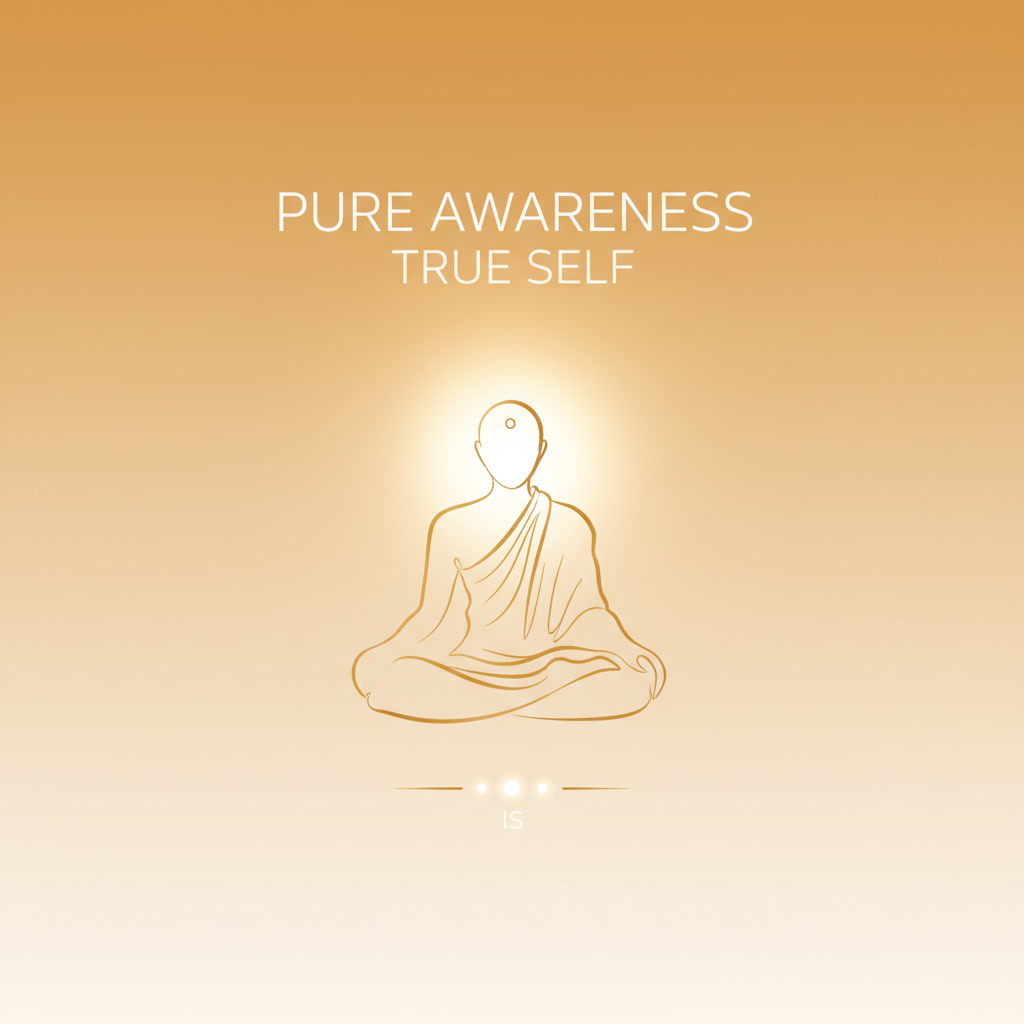
The Upaniṣad tells us that the core of who we are is not the body, not the mind, nor the thoughts or emotions, we are the atman, pure awareness behind all experiences. This awareness, the Upaniṣad says, is the same as Brahman. Rather these two once realized are not different but one and Aham brahmasmi is trying to denote that.
2. From Ritual to Self-realisation
The mantra appears at the end of a long Vedic journey:
- The Samhitās give ritual chants.
- The Brāhmaṇas explain those rituals.
- The Āraṇyakas begin to look inward.
- The Upaniṣads ask: Who is the one performing all of this?
“Aham Brahmāsmi” is the final answer: the one who acts, who sees, who knows, is in truth the same as the absolute reality.
3. What the Upaniṣads Are Actually Saying
The Self is not the body
The body changes constantly. It cannot be our permanent identity.
The Self is not the mind
Thoughts and emotions come and go. They too cannot be the true Self.
The Self is awareness itself
The unchanging witness behind all thoughts and experiences is the real Self (ātman).
The Self and Brahman are not two different things
The Upaniṣad does not say we “become” Brahman. It says we already are Brahman but do not realize it due to ignorance.
4. How the Upaniṣads Expect Us to Realise This
Realization has three steps:
- Śravaṇa – listening to the teaching.
- Manana – reflecting until doubts clear.
- Nididhyāsana – quietly contemplating until the truth becomes clear.
The idea is not to believe blindly but to understand through insight.
5. Why This Teaching Matters Today
A stable sense of identity
We often define ourselves by our jobs, appearance, achievements, or social roles. These change. The Upaniṣad teaches that our true identity is deeper and unchanging.
Less fear
When we know the Self is not limited or destroyed by change, fear loses much of its force.
More compassion
If the same consciousness exists in all beings, hurting others becomes equal to hurting oneself.
A clearer mind
We respond to life more calmly when we are not tied to every passing thought or emotion.
6. How to Bring This Insight Into Daily Life
You do not need to withdraw from the world to understand this teaching.
1. Watching thoughts
In quiet meditation, notice that thoughts appear and disappear. Do not react to these passing thoughts. Tell yourself you are not these thoughts but pure atman.
2. Returning to simple awareness
Spend a few moments each day resting in the sense of “you are the atman,” without adding any labels to it.
3. Seeing unity with others
Remember that everyone shares the same basic awareness. This reduces conflict and increases empathy.
4. Letting go of small identities
When you notice yourself getting caught in anger, pride, or insecurity, gently recall that these are temporary states, not the real Self.
The Real Message
In simple terms, “Aham Brahmāsmi” means:
“The real ‘I’ is the pure awareness that is the same in all beings.”
It is not a claim to greatness but a recognition of what is always true. The Upaniṣads invite us to see ourselves clearly and to live with that clarity.
अहं ब्रह्मास्मि — a truth to be recognised, not a title to be claimed.
 nakul sardesai
Leave a comment