Introduction
In a recent reading of Sri Vidya Kosha by Prof. S.K. Ramachandra Rao, I came across several compelling ideas that link mantra, geometry, and energy through the sacred diagram known as the Sri Yantra. Although I am not an expert in Śrīvidyā, what intrigued me was how these ancient perspectives seem to align—at least conceptually—with certain principles from modern science, particularly in fields such as vibrational energy, cymatics, geometry, and neuroscience.
This blog explores the possibility that mantras are not just symbolic, but energetic constructs; that yantras, such as the Sri Chakra, may hold structural intelligence; and that body, mind, and space can perhaps be influenced through vibration and form. This post is not a doctrinal guide but rather a research-oriented reflection, connecting traditional concepts with scientific analogs.
Chakra and Body Location: A Map of Inner and Outer Energy
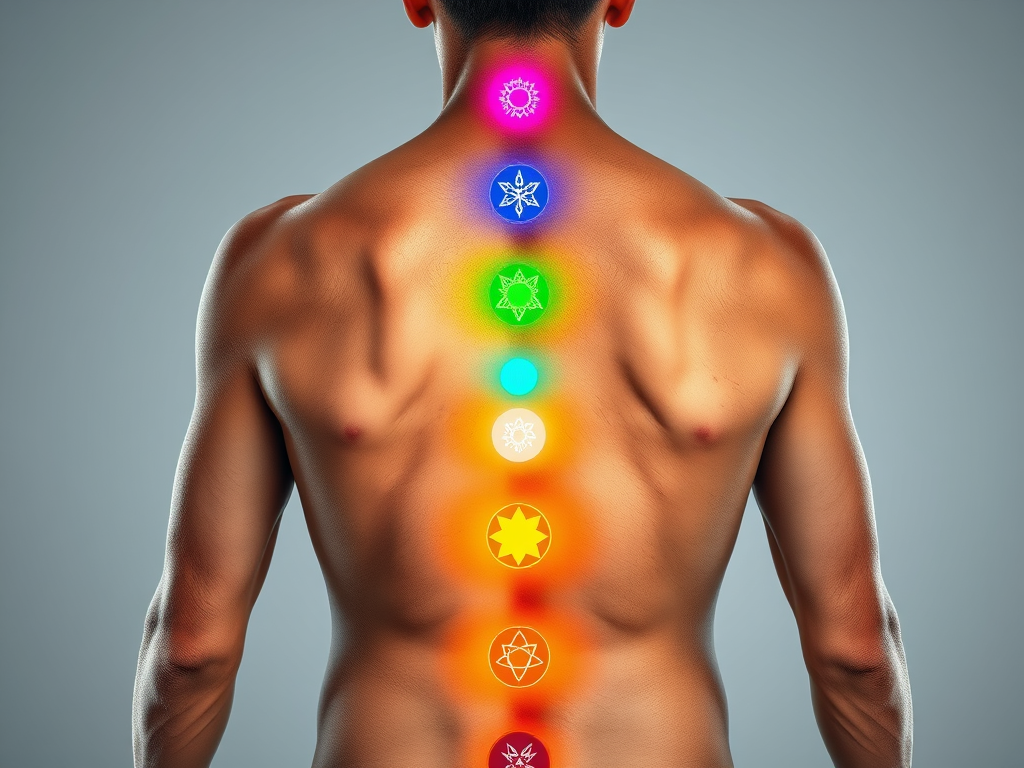
One thing that stood out in the reading was the correlation made between the layers of the Sri Yantra (āvaranas) and the body’s energy centers—chakras. Rao mentions how each layer of the yantra seems to resonate with a subtle energy point in the body.
| Sri Yantra Layer | Body Chakra | Function | Scientific Correlation |
|---|---|---|---|
| Bhūpura (square) | Mūlādhāra (root) | Grounding, security | Survival brain, vagus nerve regulation (vagus nerve helps calm the body) |
| 16-petal lotus | Svādhiṣṭhāna (sacral) | Creativity, sensuality | Hormonal centers, pelvic nerve clusters (controls emotions and reproduction) |
| 8-petal lotus | Maṇipūra (navel) | Power, digestion, will | Enteric nervous system (“second brain”) (gut has its own brain-like system) |
| Triangles (inner 10/14) | Anāhata (heart) | Compassion, balance | Heart–brain coherence (heart affects mental clarity and emotion) |
| Asṭakoṇa (8-triangle) | Viśuddha (throat) | Expression, vibration | Vocal resonance, vagal tone (how voice and breath impact calmness) |
| Triangle + bindu (center) | Ājñā & Sahasrāra | Insight, transcendence | Pineal gland, gamma wave states (linked to deep meditation and insight) |
What’s particularly interesting is that modern neuro-cardiology (study of heart-brain interaction), gut-brain axis research, and breath regulation studies increasingly point to a similar layered intelligence within the body. The connection between symbolic energy centers and bioelectrical or hormonal networks is speculative, but not without foundation.
Mantra and Sound: Vibration as Energy
The Sri Vidya Kosha discusses the Pañchadaśī mantra, composed of 15 syllables in three khanḍas, and the Shoḍaśī mantra, with an added final seed sound (śrīm). Each syllable is considered a vibratory force, not just a linguistic token.
Ancient philosophy often saw sound as formative—nāda brahma, or “sound is God.” Rao mentions that these mantras are thought to influence subtle energies through phonemic vibration. While this may sound esoteric, modern disciplines like cymatics and neuroacoustics provide interesting correlates.
- Cymatics – the study of how sound creates patterns in physical matter (like sand or water).
- Neuroacoustics – the study of how sound affects brain function and mood.
- Bīja mantras like hrīṃ, klīṃ, sauḥ produce distinct patterns in cymatic experiments, aligning with the theory that specific syllables shape internal or external energy fields.
- Sound therapy and chanting have been shown to reduce cortisol levels (stress hormone), synchronize brain hemispheres, and stimulate vagus nerve tone (calming effect).
So the idea that mantra can influence mental and bodily states isn’t entirely implausible from a modern standpoint.
From Mantra to Geometry: How Sound Might Give Birth to Form
Perhaps the most fascinating connection raised in Sri Vidya Kosha is the idea that the Sri Yantra itself is the geometric crystallization of the Pañchadaśī mantra.
Here’s a simplified way it was presented:
- The central bindu emerges from the bija hrīm, representing undivided consciousness.
- The interlocking triangles (upward for Śiva, downward for Śakti) are expressions of the dynamic tension between stillness and energy.
- The lotus petals and concentric circles expand outward, resonating with the phonetic map of Sanskrit letters (vowels and consonants).
This reminded me of:
- Cymatics – how sound frequencies form precise geometric patterns.
- Acoustic topology – how sound can shape spaces and materials at micro or macro levels.
Could these mantras be resonant codes that give rise to sacred geometry like Sri Yantra?
It’s speculative, yes. But sound forming shape is no longer science fiction.
- NASA and MIT have studied how sound moves matter in space.
- In architecture, specific forms are used to enhance resonance and acoustic clarity, which has parallels in the way Sri Yantra is said to concentrate energy.
Energized Spaces and Human Internalization: A Possibility Worth Exploring
The text also discusses how simply installing a properly aligned Sri Yantra—especially made of specific metals like copper, silver, or gold—can influence the energy of a space. This is where Rao’s explanation becomes very practical.
- Gold: best for spiritual upliftment (longest energetic duration)
- Silver: best for mental clarity and health
- Copper: best for material well-being and practical energy
When these yantras are energized through ritual or even focused intention and sound, they may behave similarly to:
- Field harmonizers – devices that balance subtle electromagnetic or biofields.
- Scalar energy plates – tools believed to enhance vitality using subtle geometric patterns.
Even more fascinating is how Sri Yantra meditation—visualizing the chakra layers while chanting—could potentially train the nervous system. Could this be an early form of:
- Neuro-somatic retraining – techniques that rewire stress patterns through body-mind awareness.
- Symbolic entrainment – where repeated forms (like yantra geometry) help the brain reach meditative states.
Final Reflections
I am still very new to the depth of Śrīvidyā, but from this initial exploration, I can see why so many traditions revere the Sri Yantra—not just as art, but as a living structure of consciousness.
The alignment between the mantra (sound), yantra (form), tantra (method), and human physiology offers a rich area of exploration—not just spiritually, but scientifically.
While there is more research to be done, and while not all claims can or need to be “proven,” the convergence of geometry, vibration, and inner experience remains a promising field of inquiry for seekers and scientists alike.
 nakul sardesai
Leave a comment